Brown University
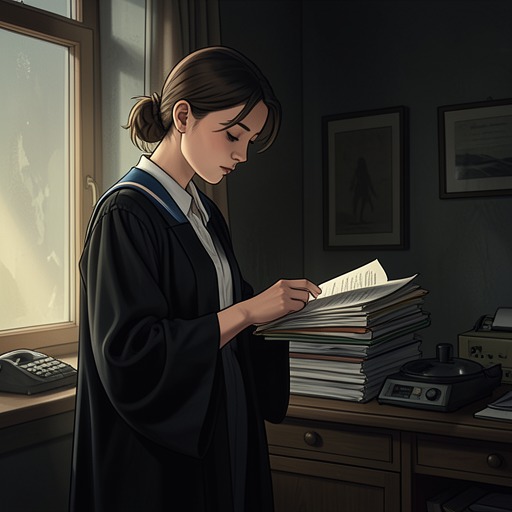
Black Water (Joyce Carol Oates Edition)Brown University is the institution where Kelly Kelleher graduated summa cum laude with a bachelor’s degree in American Studies and wrote a ninety-page honors thesis about The Senator. Her education gives her a scholarly history with the politician before their chance meeting, making Brown the point where academic study and later personal encounter first converge.
Kelly’s Education and Thesis
Five years before the events on Grayling Island, Kelly, whose baptismal name was Elizabeth Anne Kelleher and who was known to friends as Kelly, completed her undergraduate degree at Brown. Her honors thesis examined The Senator’s three campaigns for the Senate, his Senate career, his influence within the Democratic Party, and the possibility that he might become his party’s presidential nominee. The work’s subtitle, “Jeffersonian Idealism and 'New Deal' Pragmatism: Liberal Strategies in Crisis,” framed his public career through the competing traditions and political strategies named in its title.
Kelly had worked hard on the thesis. Her major grades were usually A’s, and the thesis earned an A along with nearly a page of handwritten commentary and praise from her adviser. These details establish both the sustained effort behind the project and the distinction of its reception; it was not a casual paper, but an extensive piece of undergraduate research that became part of Kelly’s history with its subject.
From Academic Study to Personal Encounter
On the afternoon of the Fourth of July, Kelly met The Senator at a gathering at an oceanfront cottage on Derry Road. Her friend Buffy St. John, with whom she had roomed at Brown, was hosting the party. The Senator and Kelly had not previously been acquaintances: they met there by chance, introduced by Ray Annick, a lawyer-friend of The Senator’s who had gone to school with him at Andover.
Kelly initially regarded The Senator with inward skepticism, seeing him as a famous man who shook hands with the air of someone perpetually campaigning. Later that day, after a quick drink or two, she told him she had written her senior honors thesis on him at Brown. He responded with pleasure rather than annoyance or embarrassment. When Kelly apologized that he must have heard such a thing thousands of times, he answered courteously and seriously, “Yes, Kelly, perhaps—but never from you.” Their exchange turns her academic work into a personal disclosure: a subject she had studied becomes a man who recognizes her as the person who studied him.
Friendship and Narrative Significance
Brown also connects Kelly to Buffy. The two women had roomed together there and were now both twenty-six and working for magazines published in Boston, though for different publications. Their former college relationship explains the closeness that makes Buffy’s Fourth of July gathering the setting for Kelly’s first meeting with The Senator.
The university’s significance is therefore less institutional than biographical and structural. Brown links Kelly’s intellectual attention to political power with the later encounter that changes the course of the day. Her thesis had analyzed The Senator’s campaigns, influence, and presidential prospects; at the party, that researched public figure becomes a participant in a private, unforeseen relationship. The contrast is sharpened by the story’s setting: the meeting occurs amid an Independence Day celebration, while the night’s journey ends in an isolated accident and a struggle for survival. Brown marks the earlier life of study and achievement against the danger that follows, without turning Kelly’s academic knowledge into protection from it.